
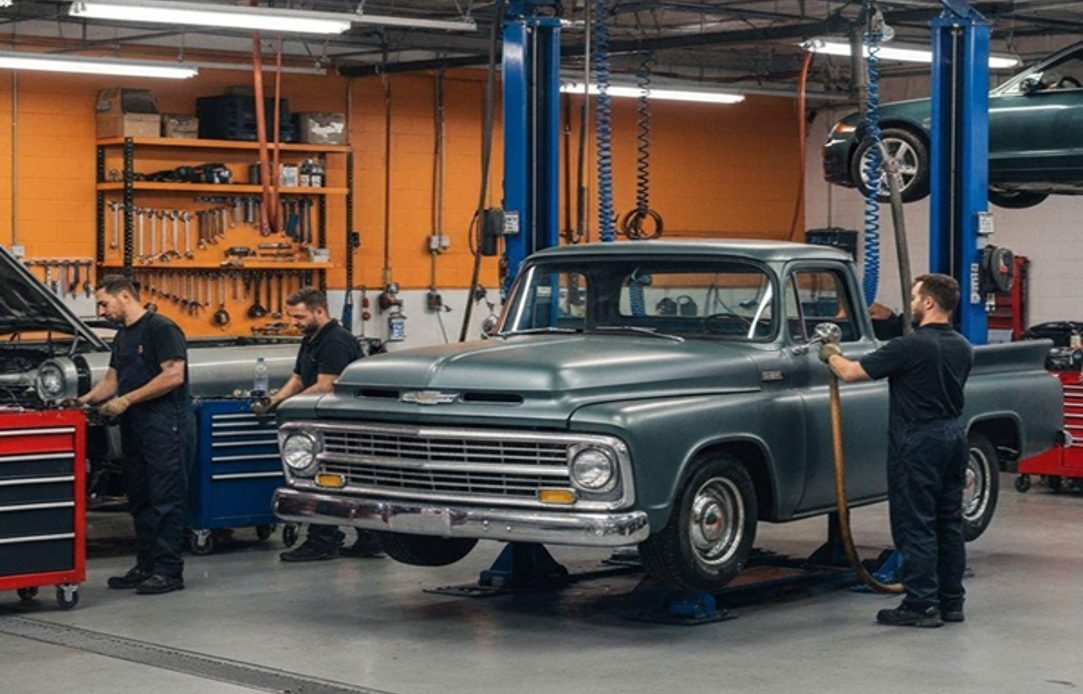
Buying a classic car is different from making an ordinary transportation purchase. Enthusiasts may be considering a vehicle because of its history, design, condition, rarity, or simply the experience of owning something they have wanted for years.
That emotional appeal is part of the attraction, but it can also make budgeting more difficult. Whether the car is being purchased through a dealer, private seller, or auction, buyers benefit from deciding what they can comfortably spend before negotiations begin.
A realistic budget should account for more than the advertised price. It should also consider how the purchase will be structured, what additional transaction costs may apply, and what the vehicle may require after it reaches the garage.
Start With a Total Purchase Budget, Not a Monthly Payment
A monthly payment can make an expensive vehicle appear more manageable, but it should not be the starting point for deciding what to buy.
Begin by establishing the maximum amount you are willing to commit to the entire transaction. Consider the vehicle price along with applicable taxes, registration costs, transaction fees, transportation, inspections, and other expenses that may be necessary to complete the purchase.
This is particularly important when shopping at an auction. The winning bid may not represent the full amount the buyer ultimately pays. Similarly, buying a car located hundreds of miles away could introduce transportation or travel costs that were not obvious when the vehicle first caught your attention.
Setting the broader budget first gives you a boundary within which financing decisions can be evaluated. It also reduces the temptation to justify a higher purchase price simply because a particular payment appears affordable.
Run Financing Scenarios Before Negotiating
Once you have a realistic purchase-price range, test several possible financing structures instead of basing your decision on a single estimate.
Start with the likely purchase amount and then compare different down payments and loan terms. Changing either variable can affect the estimated monthly obligation, while a longer repayment period may create a different overall cost structure than a shorter one.
A classic car financing calculator can be useful at this stage because it allows a prospective buyer to model different scenarios before negotiating, bidding, or committing to a deposit.
The goal is not simply to find the lowest possible monthly number. It is to identify a structure that fits your broader financial priorities.
For example, one buyer may prefer contributing more cash upfront in exchange for a smaller financed balance. Another may want to preserve additional cash for maintenance, storage, or other financial priorities. Neither approach is automatically correct; the important point is understanding the trade-off before the purchase becomes emotionally difficult to walk away from.
Treat calculator results as planning estimates rather than final loan terms. Actual financing will depend on the details of the transaction and the terms ultimately approved.
Keep Ownership Costs Separate From the Purchase Payment
Getting the car into your garage is only one part of the financial picture.
Classic vehicles can have ownership expenses that vary significantly according to the specific car, its condition, how frequently it is driven, and where it is stored. Insurance, routine maintenance, repairs, tires, storage, detailing, and transportation may all need a place in the budget.
That does not mean every classic car will require major ongoing expenses. It means buyers should leave enough flexibility that an unexpected repair or necessary service does not immediately strain their finances.
When evaluating affordability, consider creating two separate numbers: the amount you can comfortably devote to acquiring the car and the amount you are prepared to spend annually on ownership.
Keeping these figures separate can prevent a common budgeting mistake: using every available dollar for the purchase and leaving no room for the costs that follow.
A pre-purchase inspection can also help buyers understand the condition of a particular vehicle before completing a transaction. The more information available before money changes hands, the easier it becomes to determine whether the asking price and overall budget still make sense.
Decide Which Trade-Offs You Are Willing to Make
Classic-car shopping frequently involves choices beyond price.
A buyer may have to choose between a more desirable specification and a better-condition example, between buying immediately and continuing the search, or between putting more cash down and keeping additional money available.
Deciding how you will handle those trade-offs in advance makes negotiations easier.
Create a short list of non-negotiables. These might include a maximum total purchase price, maximum comfortable monthly obligation, minimum cash reserve after the transaction, or specific requirements concerning the vehicle’s condition.
Then determine where you are willing to compromise.
This approach can be particularly helpful during auctions, where decisions sometimes need to be made quickly. Knowing your ceiling beforehand makes it easier to stop bidding when the economics no longer work, even if the car itself remains appealing.
The same principle applies to a private sale. A budget is only useful when you are prepared to follow it.
Conclusion
The right classic car should be enjoyable to own after the excitement of the purchase is over. Establishing a realistic budget before negotiating helps keep that enjoyment from being overshadowed by financial pressure.
Start with the full expected cost of completing the purchase, compare several financing scenarios, reserve room for ongoing ownership expenses, and determine your limits before emotions enter the decision.
A little financial preparation cannot tell you which classic car to buy, but it can help you recognize when the right car and the right financial circumstances arrive at the same time.
