
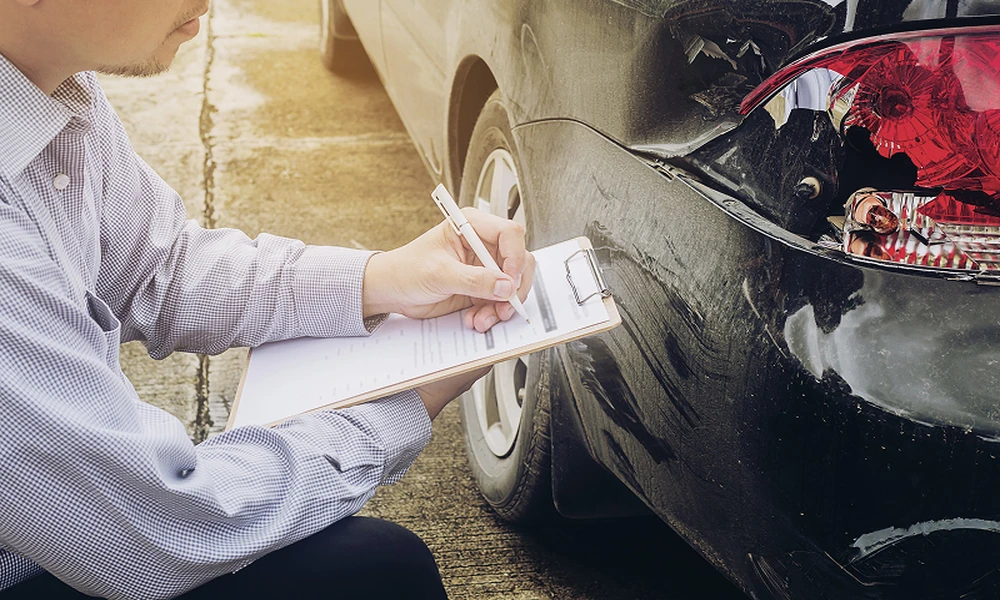
Having the right documentation can help an insurer assess an electric vehicle insurance claim and establish what happened during an accident. For instance, in Singapore, the General Insurance Association (GIA) Motor Claims Framework provides common procedures for reporting motor accidents, including exchanging particulars, taking photographs and reporting accidents to insurers.
That said, for owners comparing electric car insurance in Singapore, it is useful to understand which records may be relevant before a claim occurs. The documents required can vary according to the circumstances and the insurer’s policy terms, so supporting evidence should be submitted according to the insurer’s instructions.
Accident Report
An accident report provides a formal record of the incident and its circumstances. It should contain accurate information about the accident, the vehicles involved and the damage observed.
Important information may include:
- Date, time and location of the accident
- Details of the incident
- Vehicle and driver particulars
- Description of visible damage
- Information exchanged with other parties
GIA advises motorists to report accidents to their insurers even where parties have agreed to a private settlement.
In summary: The accident report establishes the basic facts that an insurer can use when assessing the claim.
Photographs of the Accident Scene and Vehicle Damage
Photographs can provide visual evidence of what happened and the condition of the vehicles immediately after an accident. GIA specifically recommends taking photographs of the accident scene and vehicle damage.
Useful photographs can include:
- The overall accident scene
- Damage to your electric car
- Damage to other vehicles
- Vehicle registration plates
- Relevant road conditions or surroundings
In summary: Photographs supplement written reports by documenting the scene and visible damage.
Video and Dashcam Footage
Video evidence can provide additional information about an accident. GIA identifies videos and other accident-scene evidence as supporting material that can assist with motor claims.
Keep relevant footage from:
- Dashcams
- Accident-scene recordings
- Other available cameras that captured the incident
Singapore’s Myinfo Reporting service also allows motorists to submit accident-scene photographs and videos as part of the reporting process.
In summary: Video can supplement photographs and written accounts where the circumstances of an accident need further examination.
Driver and Vehicle Particulars
The particulars of everyone involved should be recorded as part of the accident reporting process. GIA’s Motor Claims Framework includes obtaining the other party’s identifying and vehicle information.
This can include:
- Name and contact details
- NRIC or FIN details where required
- Address
- Vehicle registration number
- Insurer details
In summary: Accurate particulars help identify the parties and insurers involved in the claim.
Police Report
A police report may be relevant in certain types of motor accidents. The circumstances can include accidents involving a fatality or injury, pedestrians or cyclists, foreign vehicles, government property or hit-and-run incidents.
Where a police report is made, retain the relevant report information for submission to the insurer if required.
In summary: A police report can provide an official record for incidents where police reporting requirements apply.
Electric Vehicle Repair and Maintenance Records
Repair and maintenance records can provide information about the vehicle’s condition and previous work. These records may include servicing documentation, repair invoices and inspection records.
They can help establish the vehicle’s maintenance history when an insurer assesses damage and related repairs.
In summary: Keeping organised maintenance records provides supporting information about the vehicle’s history.
EV Battery and Charging System Records
Electric vehicles contain components that differ from conventional petrol or diesel vehicles, including high-voltage battery systems and charging equipment. Relevant records may therefore include battery inspections, battery replacement documentation and charging-system service records.
For home charging equipment, owners should retain relevant installation, maintenance or repair documents where these relate to the incident.
In summary: Battery and charging records can provide supporting information about affected EV components when relevant to a claim.
Vehicle Ownership and Purchase Documents
Vehicle documentation can help establish details about the insured vehicle. Depending on the claim, relevant records may include:
- Vehicle registration information
- Purchase documents
- Financing or leasing documentation where applicable
- Warranty documents
The specific documents required depend on the insurer and circumstances of the claim.
In summary: Ownership and purchase records help verify the vehicle and provide information about its history.
Repair Quotations and Invoices
Repair quotations and invoices document the estimated or actual cost of rectifying accident damage. Supporting financial records can therefore be relevant when an insurer assesses repair costs.
GIA notes that claimants can assist the claims process by providing documents supporting their claims.
Keep:
- Repair quotations
- Itemised invoices
- Parts and labour details
- Relevant towing or recovery receipts
In summary: Repair documentation supports the financial details associated with the claimed damage.
Insurance Policy and Claim Documents
The insurance policy establishes the coverage that applies to the vehicle. Policyholders should therefore keep their policy documents, certificate of insurance and any relevant claim forms or endorsements.
Remember, before submitting a claim, check the insurer’s requirements, including accident-reporting procedures and any conditions relating to repairs. GIA advises motorists to understand their policy’s coverage, excesses and other relevant terms.
Additionally, when comparing the best car insurance in Singapore, documentation requirements and claims procedures can be considered alongside the policy’s coverage and exclusions.
In summary: Keeping policy and claim documents accessible helps ensure that the claim is submitted according to the insurer’s requirements.
Visit Income Insurance and ensure you can feel better prepared and supported when you need to make a claim.