
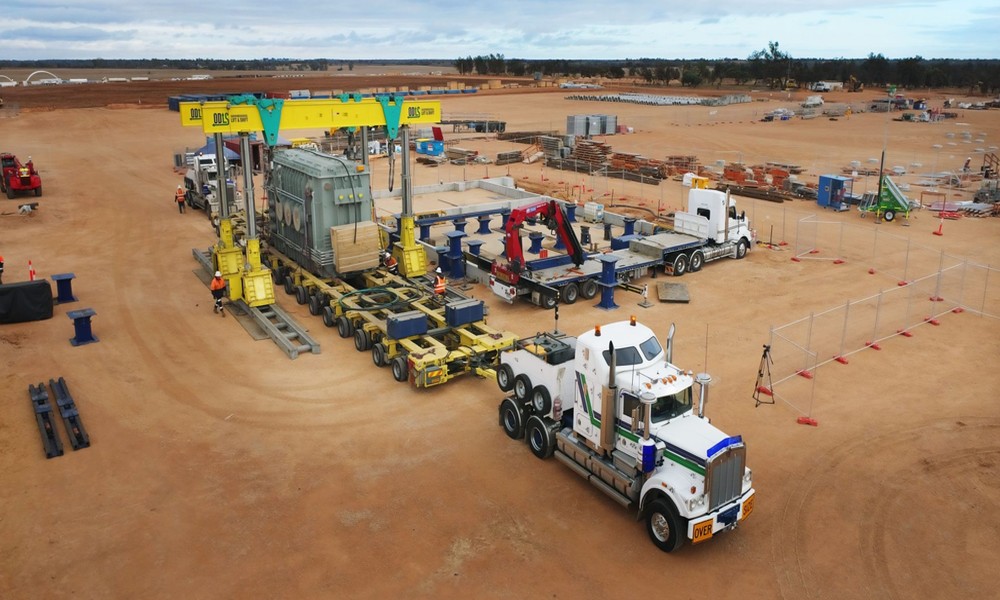
At a glance:
- Equipment size and weight directly influence transport planning and delivery timelines.
- Oversized loads often require permits and regulatory approvals before movement.
- Heavy machinery needs specialised lifting plans and proper site preparation.
- Early coordination with experienced heavy haulage providers helps keep projects on schedule.
Industries such as construction, energy, mining and infrastructure rely on machinery and equipment that are often large, heavy and complex. These components frequently need to be transported to and from project sites for installation, relocation or replacement.
Transporting large equipment can be more complicated than expected. The complexity primarily arises from the equipment’s weight and size. Moreover, factors such as specialised heavy haulage vehicles, lifting equipment, permit approvals and site readiness all influence how quickly equipment can be delivered and installed.
This article explains how equipment weight and size can affect project schedules and how you can ensure timely delivery by addressing key logistics challenges.
Transport Planning Is More Complex for Oversized Equipment
The weight and size of large machinery determine how it can be transported. Heavier loads often need special trailers, extra axles and stronger load support to maintain stability during transit. When planning the transport of heavy equipment, it is crucial to ensure that the vehicle setup can safely carry the load while adhering to road rules.
Route feasibility is also a major concern. Factors such as bridge capacities, road weight limits, height clearances and turning radii all require careful consideration.
Detailed route surveys, escort vehicles and traffic management measures may also be required to ensure the load can be transported safely. These elements affect transport scheduling and can extend equipment delivery timelines.
Permits and Regulatory Approvals Can Extend Lead Times
Moving oversized or overweight equipment often involves obtaining the necessary transport approvals. These depend on the load’s weight, size and the regulations that apply along the transport route. As a result, securing approvals is an important part of managing complex equipment movements.
The time required for approvals can vary based on the load’s complexity and the infrastructure it crosses. Some relocations may require engineering assessments or travel hour restrictions to minimise traffic disruption. Such regulatory measures can affect logistics planning and project schedules.
Larger Equipment Requires Detailed Lifting and Handling Plans
Once the equipment arrives on site, its size and weight are crucial for safe lifting and positioning. Bigger machinery typically requires specialised cranes, engineered lift plans and thorough safety checks to ensure the load is handled without risk. These steps are essential for ensuring heavy equipment can be installed safely and efficiently.
Selecting the right crane depends on the load weight, lift radius and ground stability. In some cases, additional lifting equipment or staged lifts may be required to complete the installation safely.
If these preparations are not organised, they may disrupt on-site activities and delay equipment installation.
Site Access and Preparation May Be Required
Large equipment cannot always be delivered straight to its final installation point. Some sites require stronger ground surfaces to support heavy vehicles and cranes, especially when soil conditions or load-bearing capacity are limited. Meeting these requirements is an important part of planning project logistics.
Access routes need to suit the size of the equipment. Gate clearances, internal roads and installation spaces must all be checked in advance. If any changes or adjustments are required, they must be planned before delivery, which may affect equipment transport scheduling.
Coordination Between Multiple Stakeholders Takes Time
Moving large equipment requires coordination between engineers, logistics providers, transport authorities and on-site teams. Each group plays a role in checking specifications, approving transport routes and preparing the site for delivery. This teamwork is crucial for effective equipment logistics planning.
With multiple activities needing to align, scheduling becomes more complex. Transport windows, crane availability and site readiness must all match to prevent delays. When coordination gaps occur, equipment delivery or installation can be delayed and disrupt the planned work sequence.
The weight and size of industrial equipment affect every stage of a project, including transport planning, permit approvals, lifting requirements, site preparation and coordination among teams. If these factors are not carefully considered, they can disrupt overall project delivery and installation schedules.
For this reason, you should start planning equipment movement early in the project lifecycle. Working with a heavy haulage provider can help you manage transport planning, regulatory approvals, lifting coordination and site logistics more effectively. With the right expertise in place, equipment can be delivered and installed smoothly, helping keep the project schedule on track.