
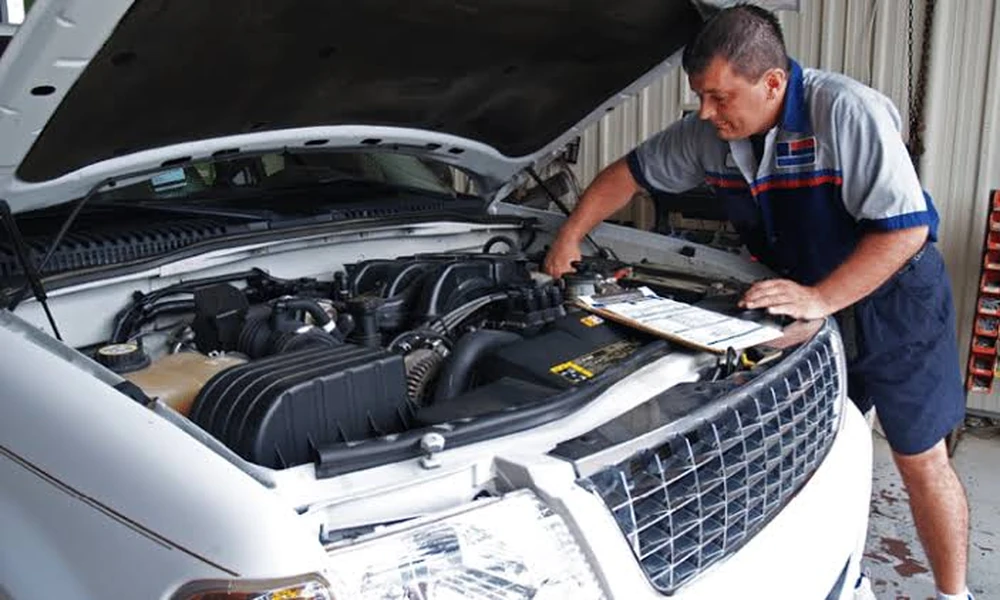
A healthy thermostat keeps engine temperature stable during everyday driving conditions. The component controls coolant movement through the engine and radiator. When it fails, the engine may become too cold or dangerously hot. Professional diagnosis helps identify the actual cause without unnecessary component replacement. Auto Repair in Fairbanks, AK service can help drivers address cooling problems before damage develops.
Understanding the Thermostat’s Role
Once sufficient heat develops, the valve begins opening gradually. Coolant then travels toward the radiator for controlled heat removal. The process maintains a stable temperature during changing driving conditions. Now technicians consider this operation when investigating unusual temperature readings. A thermostat stuck closed can restrict coolant circulation significantly. This condition can cause overheating during traffic or demanding driving situations. A thermostat stuck open creates different problems for the engine. The engine may take too long to reach normal operating temperature. Fuel efficiency can decline because combustion remains outside its preferred temperature range.
Inspecting Coolant Flow and Related Components
Thermostat diagnosis does not happen separately from the wider cooling system. Technicians inspect coolant condition before focusing entirely on thermostat operation. Low coolant levels can create temperature problems that resemble thermostat failure. Air trapped inside the system can also disturb proper circulation. The radiator receives attention because blocked passages can restrict heat transfer. Hoses are checked for unusual swelling or collapse during operation. The water pump may also require inspection when circulation appears weak. A damaged pump can create symptoms similar to a faulty thermostat. Technicians therefore compare several signs before identifying the actual problem. The cooling fan receives attention when overheating appears during slower driving. A faulty fan can reduce radiator airflow and increase engine temperature. MTR Transmission carefully considers these related components during cooling system temperature diagnosis. This wider inspection creates a more dependable repair decision.
Using Diagnostic Evidence Before Thermostat Replacement
A thermostat replacement may become necessary when valve operation remains abnormal. The surrounding sealing surfaces must also receive careful attention during service. Poor installation can create leaks even after installing a quality replacement. Fresh coolant may be required when the system loses fluid during repair. Proper bleeding is also important because trapped air can affect temperature readings. After service, technicians usually verify stable operation under normal driving conditions. This final check confirms whether the original temperature problem has been resolved. MTR Transmission provides professional attention when cooling system behavior becomes difficult to understand.
Conclusion
A professional inspection can identify these problems before major damage occurs. Technicians can also assess coolant condition during routine maintenance appointments. Proper maintenance supports dependable temperature control across changing driving conditions. MTR Transmission can help identify cooling system concerns before they become expensive repairs. A properly functioning thermostat protects efficiency and supports reliable engine performance. Therefore, timely diagnosis remains essential whenever engine temperatures behave differently than expected.