
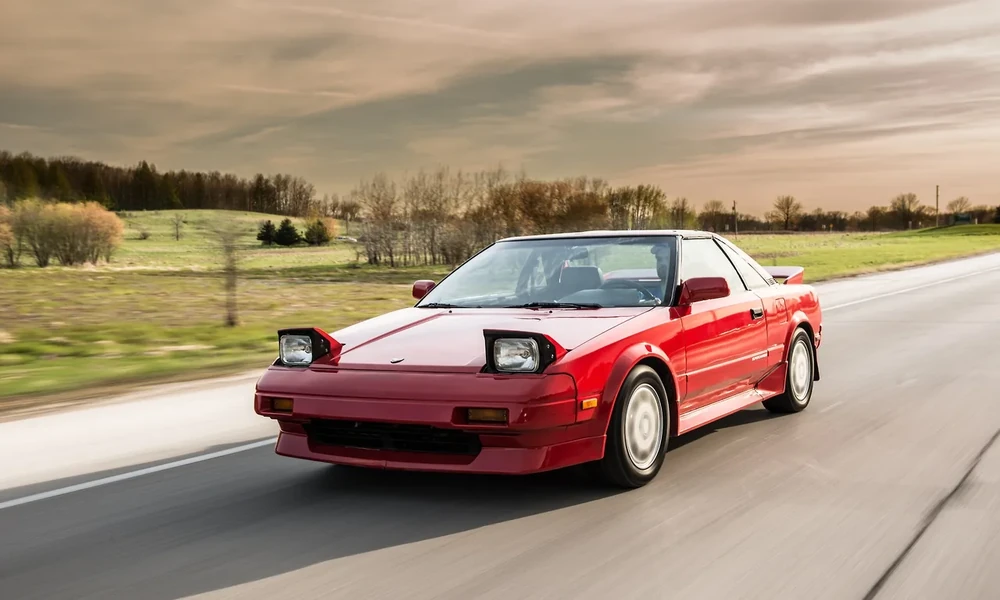
There was a time when the phrase “collectible car” conjured images of pre-war roadsters and mid-century European exotics. That definition has expanded dramatically. A new category of enthusiast now treats Japanese performance and touring cars from the 1980s and 1990s as legitimate blue-chip collectibles, and the market has responded in kind. Understanding what separates a genuinely worthwhile example from an ordinary used car is the key to buying wisely in this space.
From Overlooked to Coveted
For years, Japanese cars were seen primarily as sensible, dependable transportation rather than objects of desire. Their reputation for reliability was rock solid, but reliability alone rarely inspires collectors. What changed the conversation was the growing recognition of just how special the engineering and design of certain models truly were.
As enthusiasts revisited these vehicles with fresh eyes, they discovered cars that combined motorsport-derived technology with everyday usability, cutting-edge engines with elegant simplicity, and bold styling with genuine driving reward. Add in the fact that many were produced in limited numbers or never officially exported, and the ingredients for collectibility were all there. The appreciation was inevitable; it simply took time for the wider world to catch up.
The Pillars of Collectibility
Not every old Japanese car is destined to become a treasured classic. Seasoned collectors evaluate a handful of core factors when deciding whether a vehicle has lasting appeal, and learning to read these signals will sharpen your own instincts.
The first is significance. Cars that pioneered a technology, dominated a racing series, or defined an era carry weight that ordinary models never will. A halo model built to prove what a manufacturer could achieve almost always outshines the volume seller it sat beside in the showroom.
The second is rarity. Limited production runs, special editions, and models that were region-locked to Japan naturally command more attention. When supply is inherently constrained, even modest demand can support strong values.
The third is condition and originality. A car that retains its factory drivetrain, original paint where possible, correct interior, and a documented history is far more desirable than one that has been heavily modified or poorly repaired. Provenance matters enormously, and a thick folder of service records can meaningfully change what a car is worth.
Where to Focus Your Attention
For newcomers, the sheer breadth of eligible models can be overwhelming, so it helps to think in categories. The performance icons are the obvious headline acts, and these tend to attract the most competitive bidding, so patience and preparation are essential when pursuing one.
There is also tremendous appeal in the underdogs and sleepers. Elegant luxury sedans built to rival German flagships, quirky kei cars with genuine character, and understated coupes that flew beneath the radar often represent excellent value while offering their own distinct charm. Many collectors find that these lesser-celebrated cars deliver enormous satisfaction precisely because they are not chasing the same trophies as everyone else.
Whatever direction you lean, buying from a reputable source that specializes in the segment reduces risk considerably. Dealers who focus on high-quality JDM classic cars tend to vet their inventory carefully, verify histories, and understand the subtle differences between a genuinely sorted example and one that merely looks presentable. That expertise is difficult to replicate as an individual buyer working through unfamiliar foreign listings.
Inspecting Before You Commit
Once you have identified a candidate, the real work begins. A thorough inspection protects you from the two most common pitfalls in this hobby: hidden corrosion and a compromised drivetrain.
Rust is the perennial enemy of any older car. Inspect the wheel arches, floor pans, chassis rails, and any area where water and debris tend to collect. Surface blemishes can be cosmetic, but structural corrosion is a serious and costly problem. On imported cars in particular, it is worth remembering that a clean-looking exterior can conceal issues underneath, so never rely on photographs alone.
The engine and transmission deserve equal scrutiny. Listen for unusual noises, check for smoke on startup and under load, and look for evidence of leaks or hasty repairs. On turbocharged models, the health of the forced-induction system is critical. Whenever possible, review maintenance records to confirm that essential service items have been addressed on schedule, because deferred maintenance on a specialized engine can be expensive to unwind.
Finally, verify the numbers. Confirming that engine and chassis identifiers match the documentation guards against misrepresentation and ensures the car is exactly what the seller claims. This step is easy to overlook in the excitement of a purchase, yet it is one of the most important safeguards you have.
Preserving Value Over Time
Acquiring a desirable car is only the beginning. How you care for it will determine whether it holds or grows in value. The guiding principle among serious collectors is sympathetic maintenance: keep the car mechanically healthy while preserving its originality as much as possible.
That means using correct parts, documenting every service, and resisting the temptation to make irreversible modifications. Tasteful, period-appropriate upgrades are generally accepted within enthusiast circles, but wholesale changes that stray from the car’s character can diminish its long-term appeal. Storage matters too; protecting a vehicle from moisture, temperature extremes, and prolonged inactivity helps prevent the slow deterioration that catches many owners by surprise.
Driving the car, perhaps counterintuitively, is part of good stewardship. These machines were built to move, and regular, careful use keeps seals, fluids, and mechanical components in far better shape than indefinite storage ever could. The goal is a healthy balance between enjoyment and preservation.
It also helps to keep an eye on the broader market. Values in this segment do not move in a straight line; certain models surge as they gain cultural cachet, while others plateau for years before finding renewed interest. Following auction results, staying active in enthusiast communities, and understanding which anniversaries and cultural moments tend to drive demand can help you make smarter decisions about when to buy, when to hold, and how to insure what you own. Specialist insurers who understand collector vehicles are worth seeking out, since standard policies rarely reflect a car’s true agreed value.
A Rewarding Long Game
Collecting Japanese classics is not simply a financial exercise, though many owners have watched their cars appreciate handsomely. The deeper reward lies in stewardship, in keeping a piece of automotive history alive and sharing it with a community that genuinely understands its significance.
Approached thoughtfully, with attention to significance, rarity, condition, and honest inspection, building a collection in this space can be immensely satisfying. The cars reward their caretakers with driving experiences that modern vehicles struggle to match and with a connection to an era of engineering ambition that will only grow more revered with time. For the patient and the curious, few pursuits in the car world offer as much heart. The best examples are out there waiting; the trick is knowing how to recognize one when it appears.