
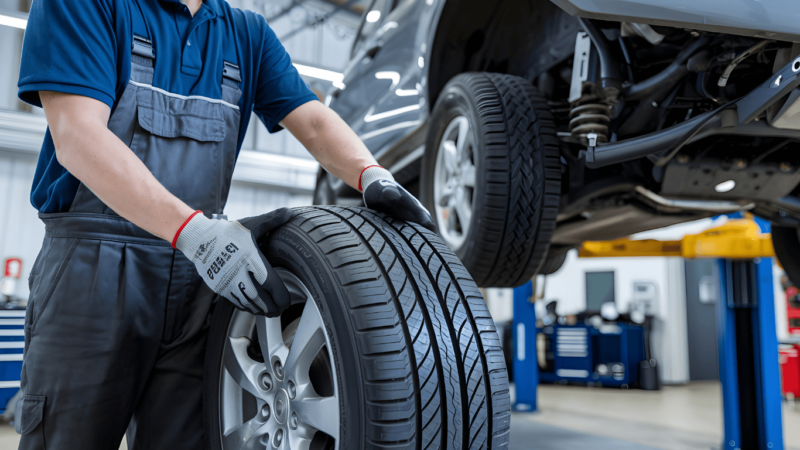
Smooth movement on busy roads depends on smart equipment choices that support safety and calm driving. A tire plays a central role in shaping ride quality during crowded commuting hours. Thoughtful upgrades help soften shaking while giving a steady grip through turns and stops. Many people focus on power yet ignore rolling parts that guide balance. Careful learning about build quality encourages wiser purchase steps and confident comparison using trusted tire reviews.
Strong Road Contact Control
Stable road contact improves handling and limits sudden sliding during sharp direction changes. Quality construction allows the tire to hold the surface firmly while spreading force evenly. This balance lowers vibration that travels through the cabin and supports a relaxed steering feel. Drivers often sense smoother rolling when rubber compounds absorb small bumps.
Quiet Rolling Structure Benefits
Calmer rolling sound matters for people spending long hours moving between home and work. Advanced pattern shaping guides air flow to soften harsh noise on rough pavement. A refined tire structure can limit echo inside the cabin and support a relaxed atmosphere. Engineers adjust groove spacing carefully so contact stays stable without loud humming.
Even Surface Support Advantages
Uniform surface support prevents uneven wear and keeps motion steady in heavy traffic. When weight spreads properly across the tire area, steering feels predictable and light. Balanced support strengthens braking response and shortens stopping distance in urgent moments. Reliable support also limits heat buildup, which protects inner layers and keeps rolling action steady.
Durable Construction Performance
Modern rubber blends combine flexibility with resilience to face constant friction. Reinforced inner layers help the tire resist cuts and protect against scattered debris. Strong outer walls maintain shape while turning, and insights from tire reviews highlight how this structure supports confident direction control.
Smart Selection Factors Guide
Choosing the right upgrade requires attention to several practical details.
- Check load capacity ratings matching regular carrying weight without excess strain
- Compare compound quality, focusing on grip strength during wet road movement
- Study pattern layout supporting stable rolling through extended commuting periods
- Review durability feedback from verified buyers sharing long-term driving impressions
- Confirm size compatibility, ensuring correct fit with existing wheel structure
Careful evaluation of these points leads to balanced decisions that support safer driving habits. Matching specifications with personal needs avoids wasteful spending and builds confidence. A dependable tire contributes to smoother motion and predictable handling. Small improvements in rolling equipment transform daily commuting into a calmer routine. Smart upgrades reduce stress on components and encourage mindful care that keeps performance steady over many months.