
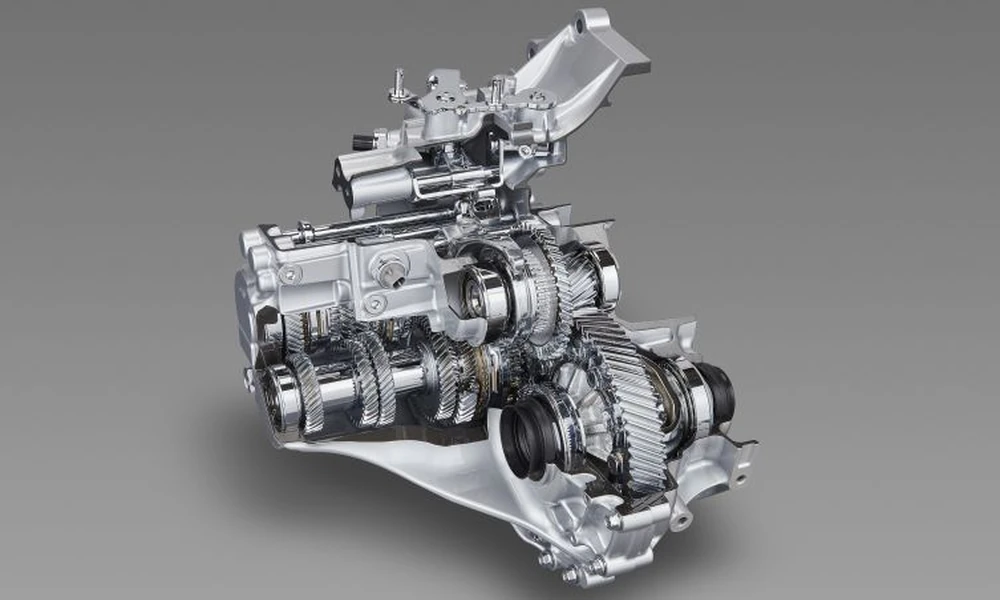
A Toyota transmission that starts slipping, whining, or refusing a gear forces an immediate and expensive fork in the road. You can rebuild the unit you have, or you can drop in a replacement. Both are defensible. Both have failure modes. And the right call depends on details that a quick phone quote almost never captures. This is a comparison, not a verdict, because the honest answer is that it varies.
Let me lay out the two paths against each other on the dimensions that actually move the decision.
Cost: the number everyone asks about first
A rebuild’s price is dominated by labor and the specific parts that failed. A clutch pack, a torque converter, a worn band, a set of solenoids: the bill scales with how much went wrong and how deep the teardown has to go. Best case, a single failed component keeps it modest. Worst case, a damaged case or a hard-parts failure pushes the total past what the car is worth.
A replacement shifts the cost structure. Instead of paying a builder’s hours to diagnose and reassemble, you pay for a complete unit plus the labor to install it. Low-mileage imported gearboxes have made this path competitive, and a stock of JDM Toyota transmissions sourced from early-retired Japanese vehicles often undercuts a full rebuild on common models. The replacement number is also more predictable, because you are buying a known assembly rather than gambling on what the teardown reveals.
Where the cost comparison flips
For a rare or performance gearbox, the calculus inverts. If a replacement unit is scarce or commands a collector premium, rebuilding the one you have can be the cheaper and more sensible route despite the labor. The general rule: common transmission, lean toward replacement; uncommon or desirable one, give the rebuild a harder look.
Time off the road
This is the dimension buyers underestimate. A rebuild is a sequential process. The unit comes out, gets disassembled, parts get ordered, components arrive, reassembly happens, the unit goes back in. Any backordered part stalls the entire chain, and a job quoted at a week can stretch to three when a solenoid is on a slow boat.
A replacement compresses that timeline hard. The shop is not waiting on a teardown or a parts hunt. The old unit comes out, the verified replacement goes in, and the car is back together. For anyone using the vehicle daily, the difference between a few days and a few weeks is not academic. It is rides to work, rental costs, and a project car that does or does not block the garage.
Risk and what you actually know afterward
Here the two paths diverge in an interesting way. A good rebuild, done by a competent shop, gives you a transmission where every wear item is brand new. You know exactly what went into it. The risk is concentrated entirely in the quality of the work, because a rebuild done wrong fails fast and takes your money with it.
A replacement carries a different risk shape. You inherit a complete unit with real history, usually low mileage but not zero, and you are trusting the sourcing and your own verification rather than a builder’s hands. The Aisin-built automatics behind many Toyota and Lexus models are durable units, which is part of why a low-mileage import tends to keep performing. The exposure is upfront and bounded: verify the unit, confirm it shifts, and the unknowns mostly resolve at installation rather than lurking for months.
Matching the path to the vehicle
The decision gets easier once you stop treating it as universal and tie it to the specific car.
A high-mileage Camry that the owner plans to keep for two or three more years rarely justifies a meticulous rebuild. A clean replacement that gets it shifting reliably for the remaining service life is the rational move. Pour rebuild money into a tired economy car and you have spent more than the vehicle is worth chasing perfection nobody needs.
A Supra, an MR2, or any car where the drivetrain is part of the appeal pulls the other direction. Originality matters, the owner intends to keep it, and a careful rebuild that preserves or upgrades the original unit fits the goal. The same logic that says “replace the Camry box” says “rebuild the enthusiast car’s,” and both are correct because the cars are being asked to do entirely different jobs.
A quick side-by-side
Strip it to essentials and the tradeoffs line up cleanly:
Rebuild wins on: rare or desirable units, keeping originality, situations where only one component failed, and cars worth significant long-term investment.
Replacement wins on: common models, getting back on the road quickly, predictable upfront cost, and vehicles with a defined remaining lifespan.
Neither column is the “smart” choice in the abstract. The smart choice is reading which column your specific situation lands in.
The factor people forget: who stands behind the work
Both paths share a variable that quotes rarely mention, and it often matters more than the headline price: what protection comes with the result.
A rebuild’s warranty is only as good as the shop offering it, and a builder’s coverage typically rides on their own workmanship. If the shop is solid and stands behind its rebuilds, that is genuine peace of mind. If it is a one-person operation with no track record, the warranty is a promise backed by little. A replacement unit, by contrast, usually carries the seller’s coverage on the assembly itself, separate from whoever installs it. Neither model is inherently better, but they fail differently, and a buyer should know which kind of recourse they are actually buying.
This is also where reputation does real work. A transmission decision is hard to reverse cheaply, so the credibility of the shop or the supplier is part of the price even when it does not appear on the invoice. Two quotes that look identical can represent very different levels of protection, and the cheaper one is not a bargain if it comes with no one willing to make a failure right.
The deciding questions
Before committing, three questions usually settle it. How long do you intend to keep the car? How available and affordable is a replacement for your specific transmission? And how confident are you in the shop quoting the rebuild?
Answer those honestly and the path tends to reveal itself. A daily driver you will sell in two years, with a common and affordable replacement available, points hard at swapping the unit. A keeper with a scarce gearbox and a builder you trust points at the rebuild. The expensive mistakes happen when people pick a path on price alone, or on a forum opinion that was answering someone else’s question about a different car. Match the method to the machine, and the failed-transmission decision stops being a coin flip.